Personal
Leisure & tailored holidays
Your time. Your pace. Your kind of escape.
Explore experience ↗
AFRICA
Lakeside beginnings, the Nile at Jinja and forest and savannah landscapes give Uganda a varied natural appeal. Wildlife journeys need careful pacing, experienced local guidance and respect for the places and animals you visit.
A STARTING POINT
Entebbe
LANGUAGE
English / Swahili; regional languages
SUGGESTED STAY
8-12 nights
01 / PLACES THAT STAY WITH YOU
LAKESIDE INTRODUCTION
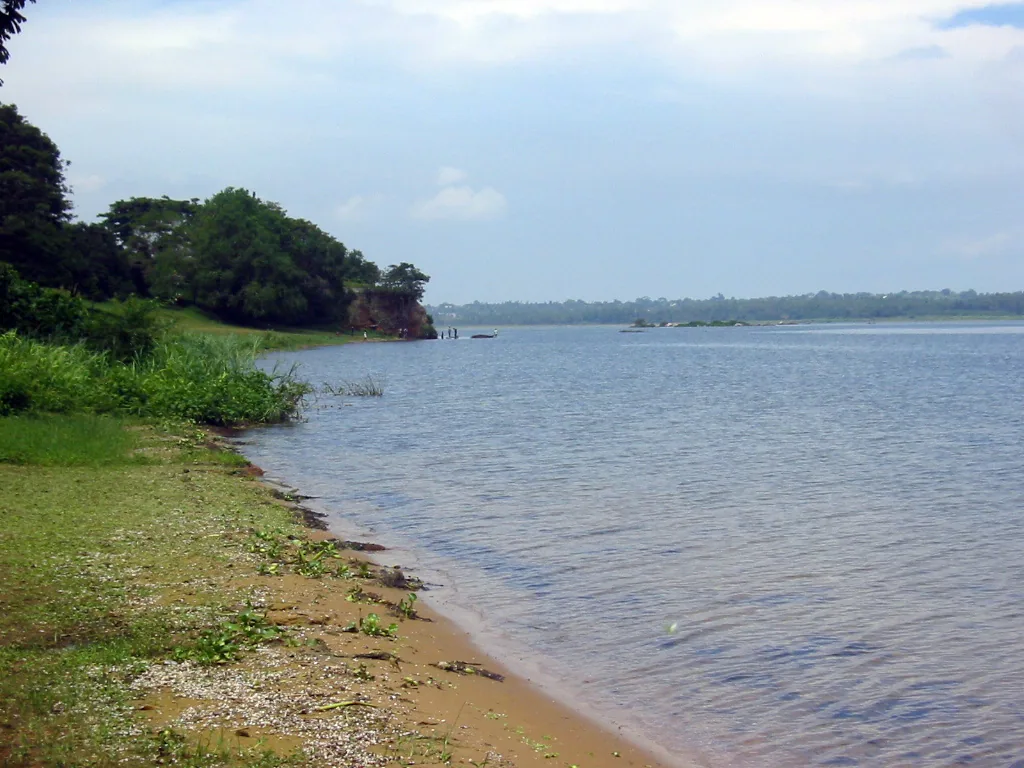
A lakeside base provides a gentler beginning or end to a longer nature itinerary.
Allow time to rest after arrival rather than immediately beginning a long road transfer.
RIVER & OUTDOORS
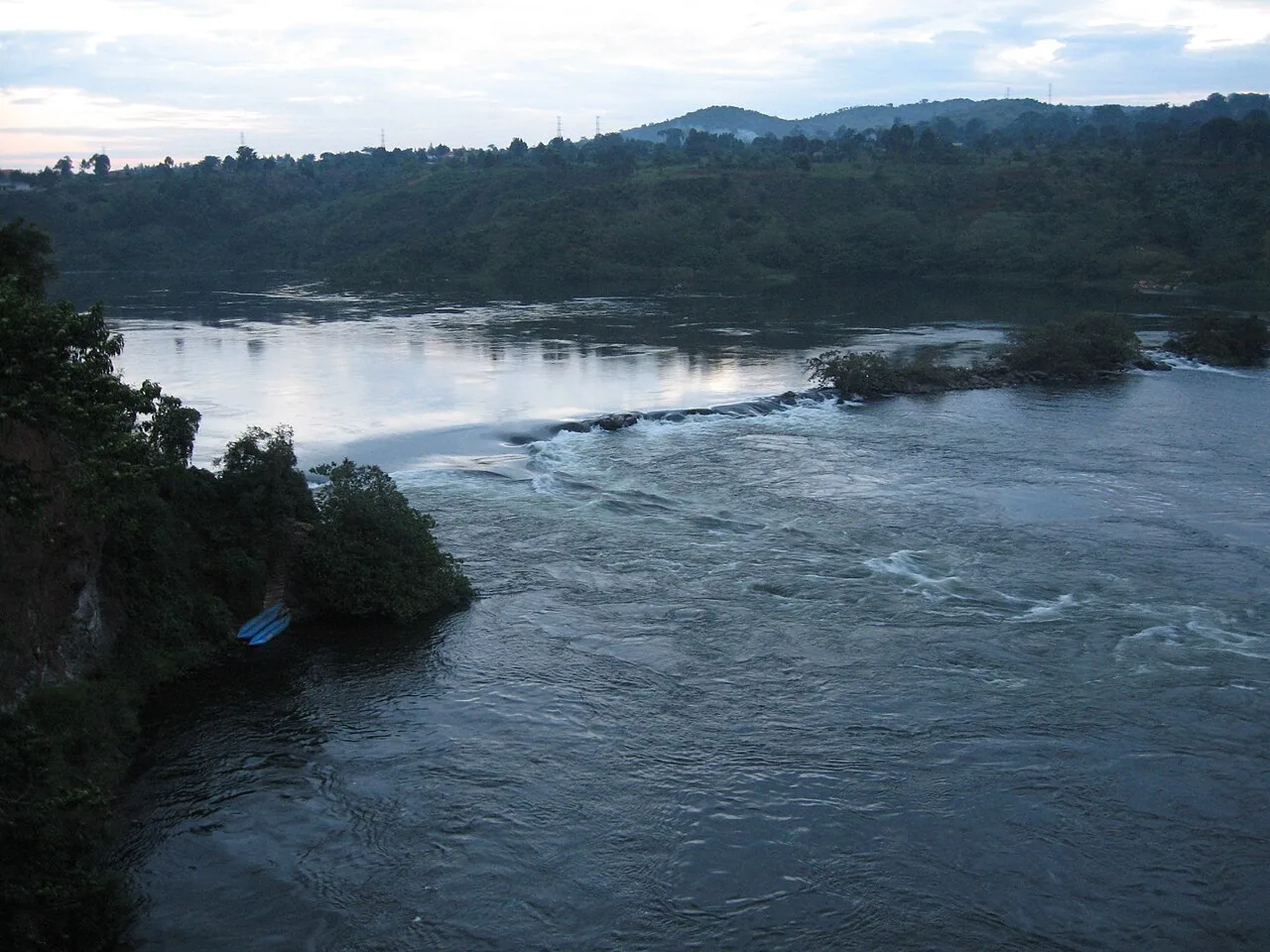
The Nile setting and surrounding area offer river-focused activities and a change of pace.
Choose activities by age, ability and current conditions, with reputable operators.
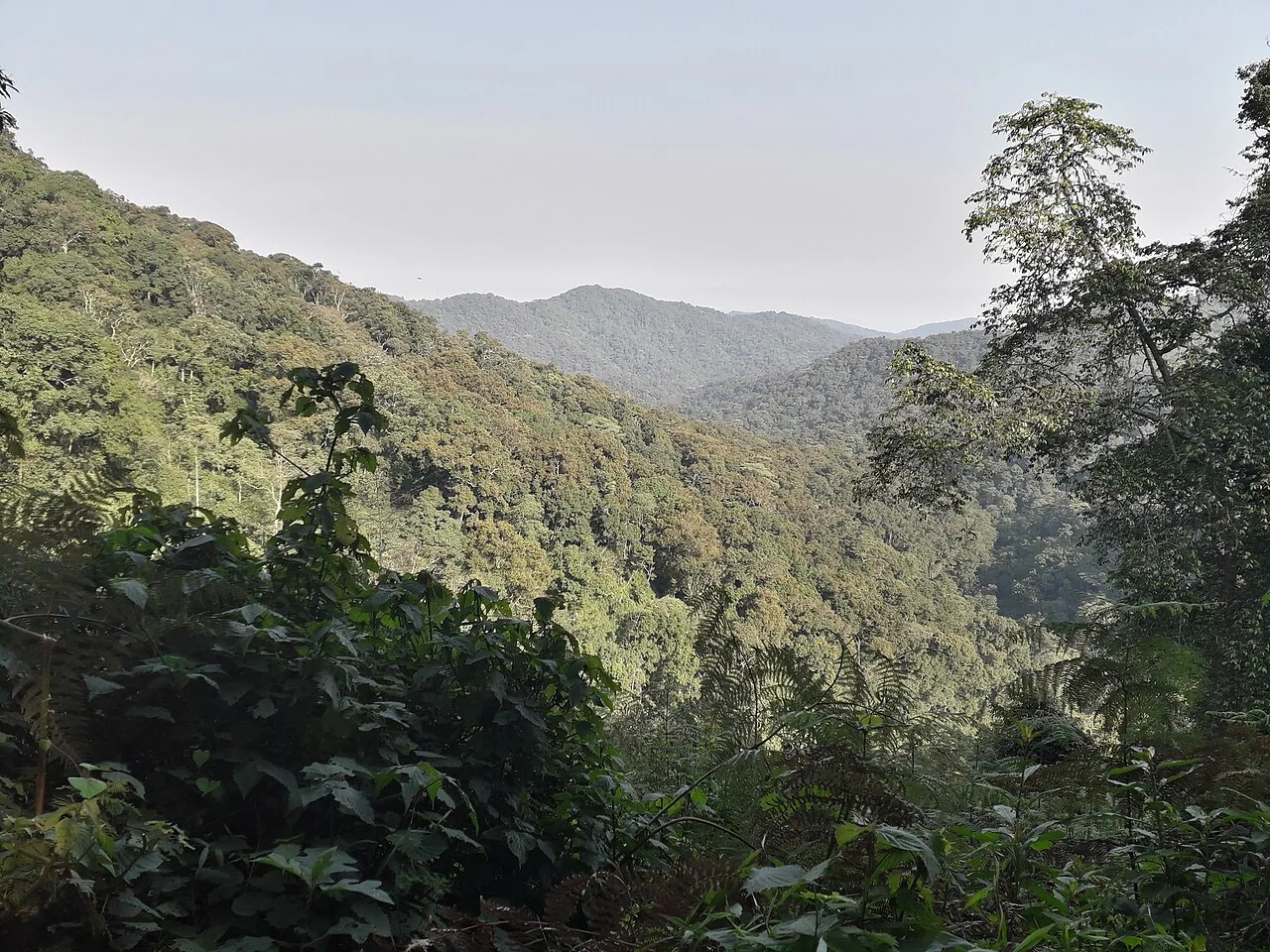
FOREST & PRIMATES
A carefully managed gorilla-tracking experience can form a remarkable forest chapter, alongside the region’s wider natural setting.
Permits, age rules, fitness, health protocols and sector logistics must be confirmed in advance.
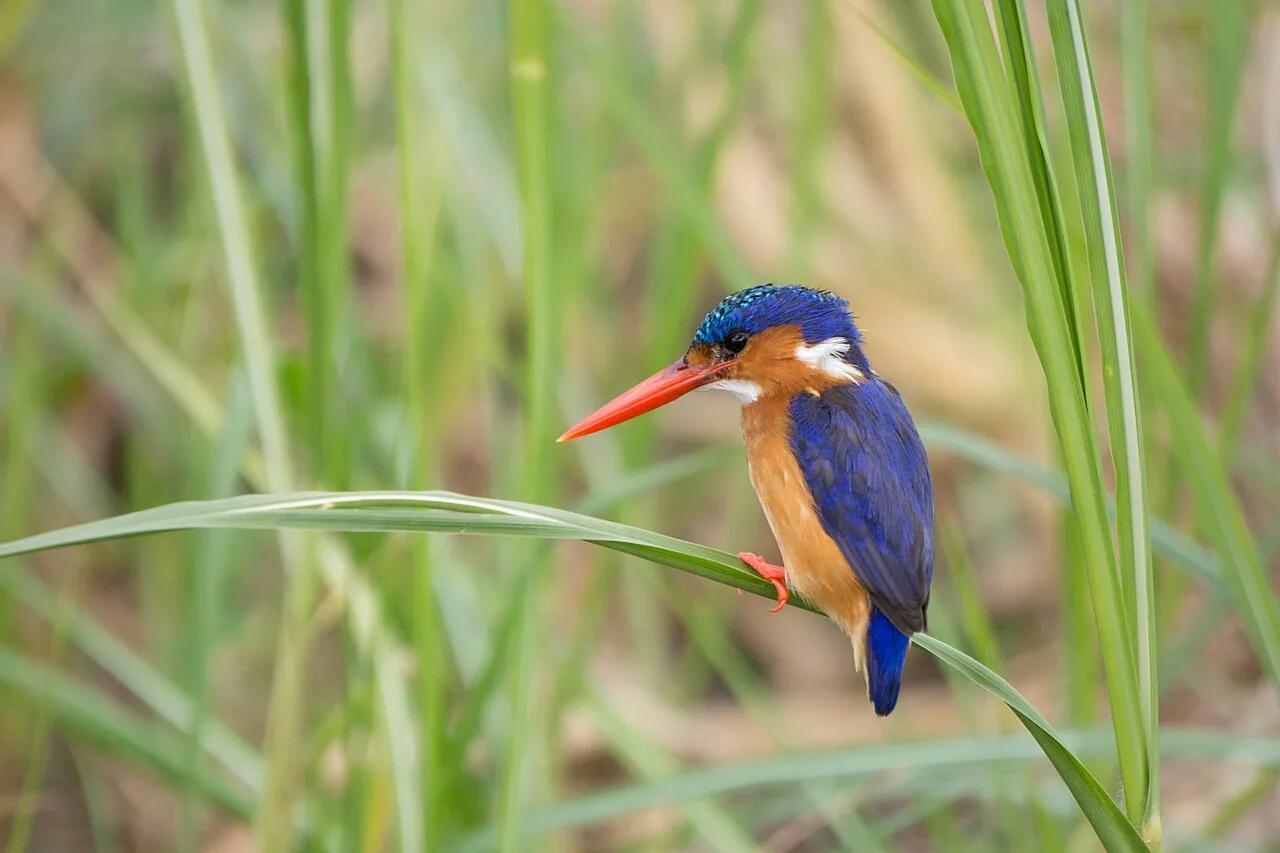
SAVANNAH & WATERWAYS
Different habitats and guided wildlife activities create a contrast with Uganda’s forest landscapes.
Allow time for several outings and never build expectations around guaranteed animal sightings.
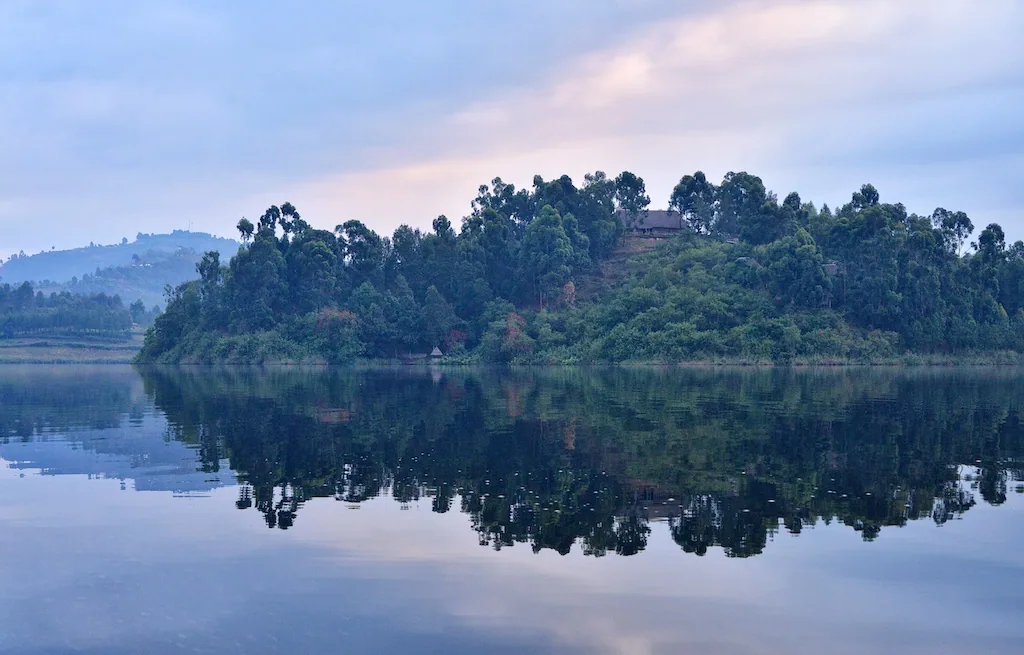
LAKESIDE REST
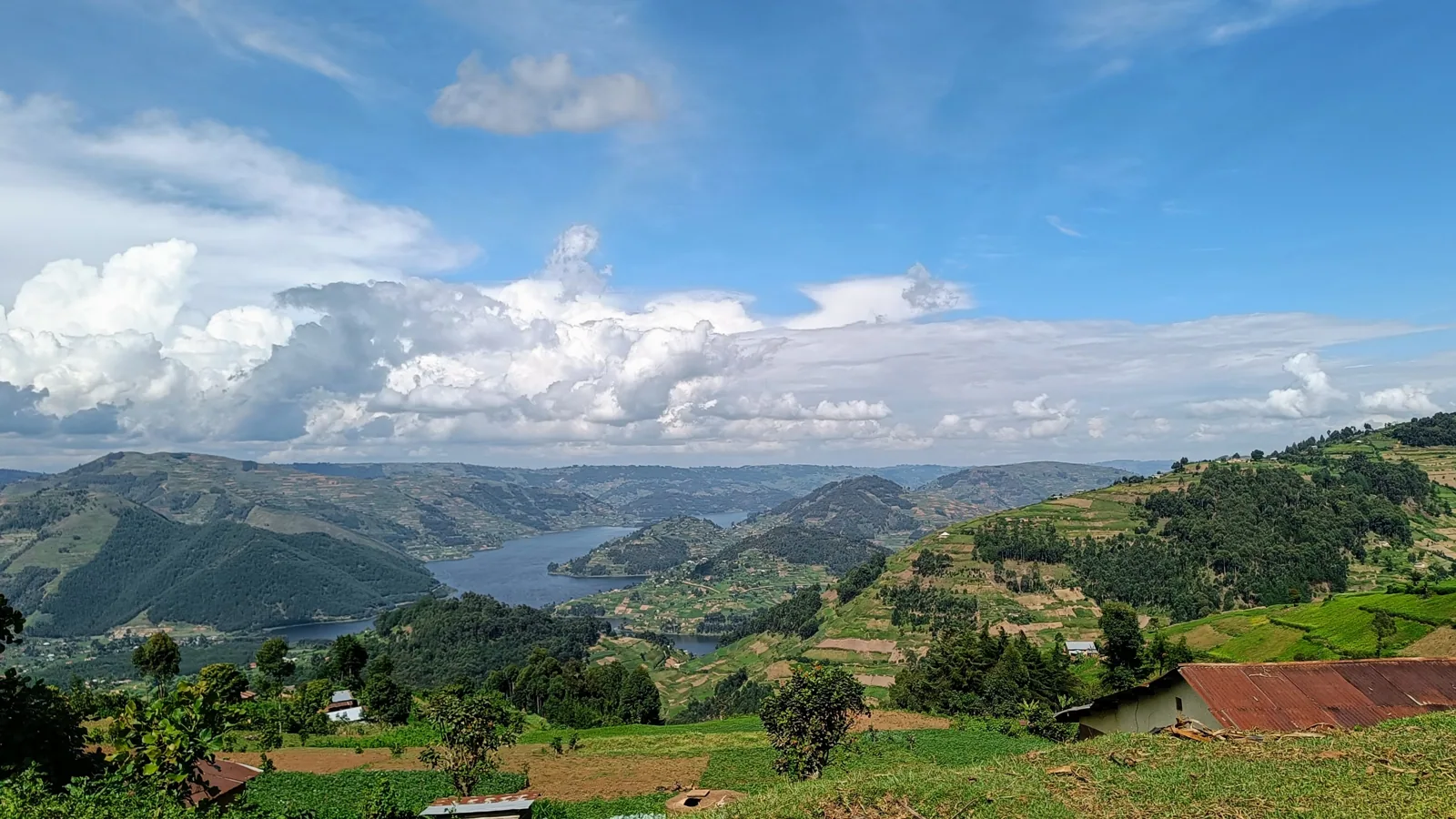
Islands and terraced hills create a quiet lakeside setting in southwestern Uganda, often considered alongside a forest journey.
Allow a restful overnight stay and confirm transfer time from your chosen forest sector.
02 / A TASTE OF THE PLACE
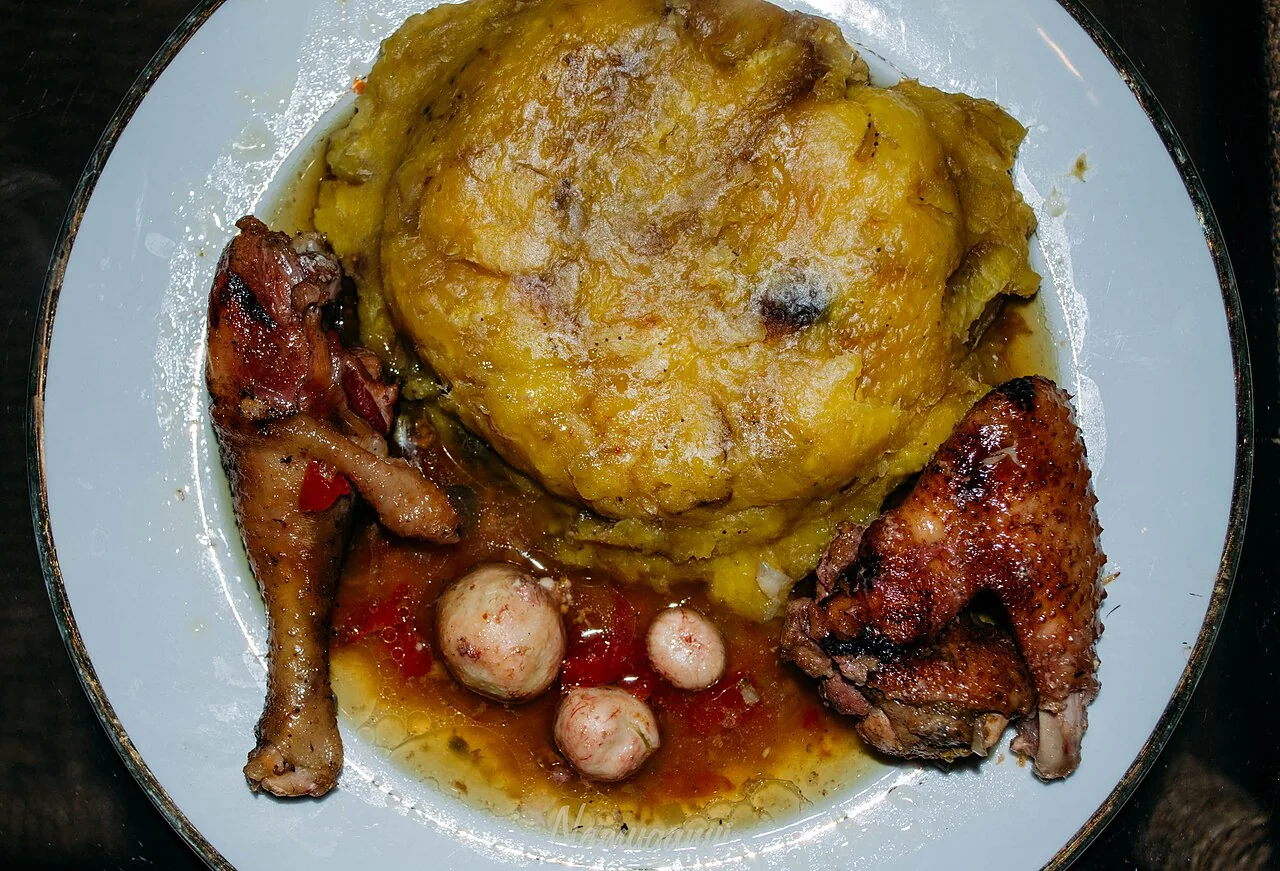
Cooking bananas prepared in different ways and served with sauces or other dishes.
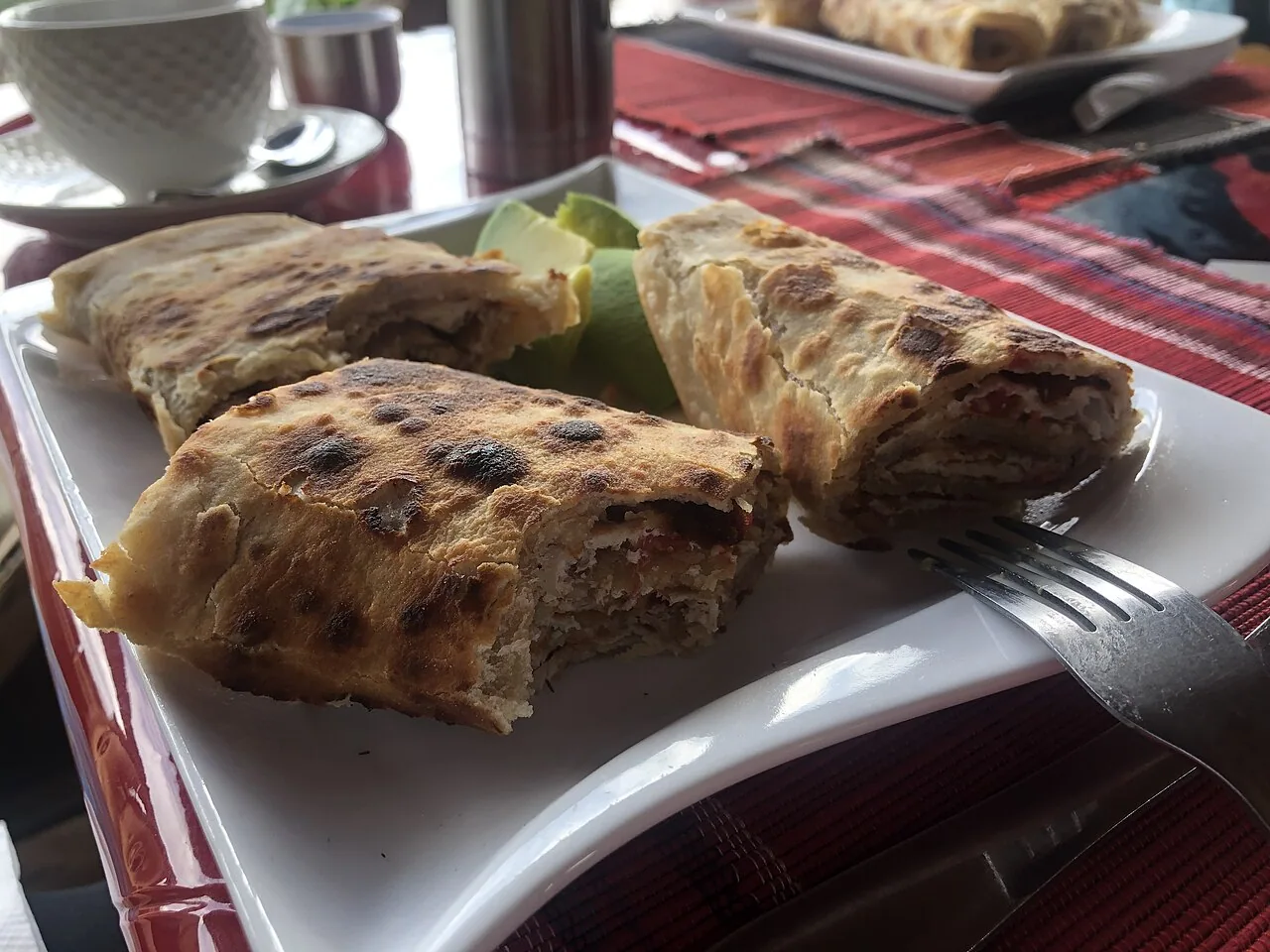
A chapati rolled around an omelette and vegetables, a familiar Ugandan street-food favourite.
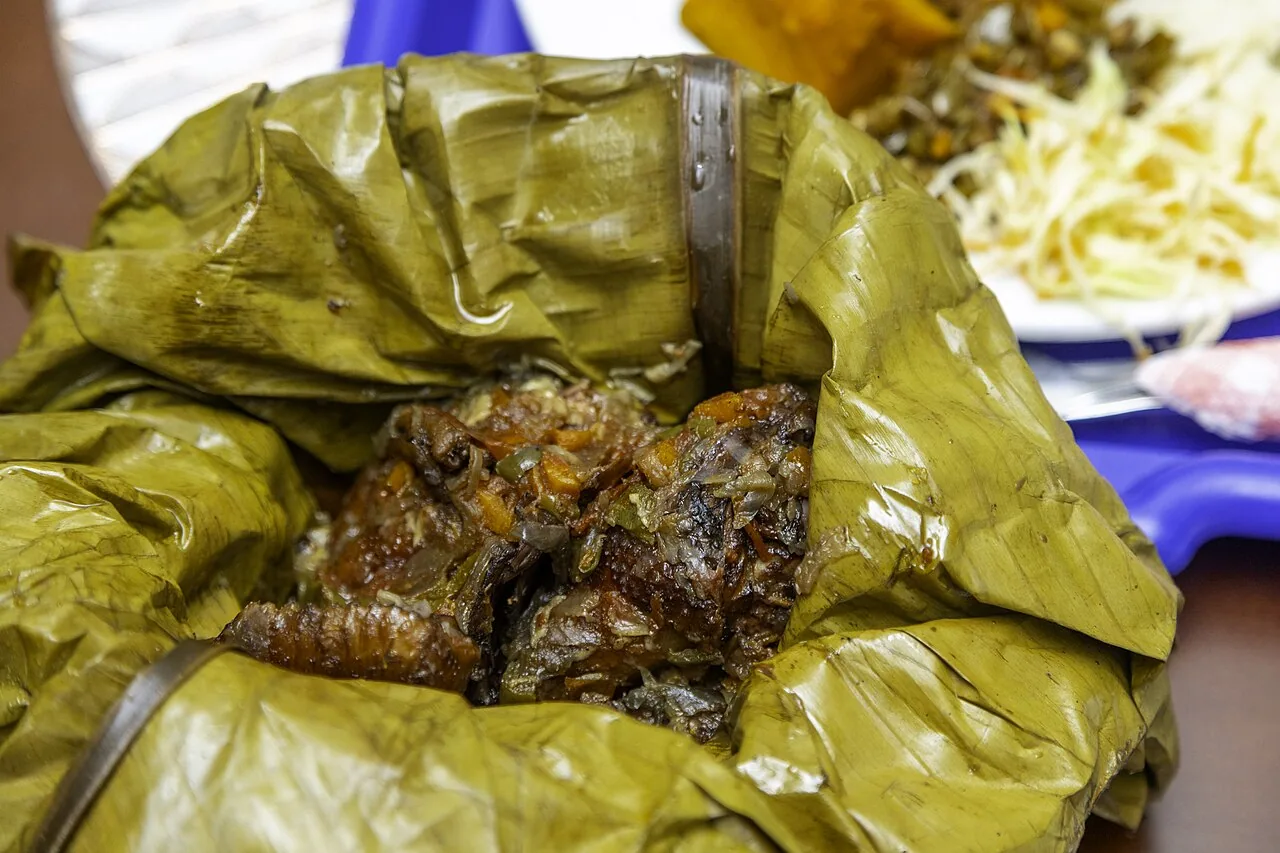
A dish cooked in banana leaves, with meat, fish or other fillings depending on the preparation.
Ingredients and preparation vary. Share dietary needs before ordering.
03 / BEYOND THE POSTCARD
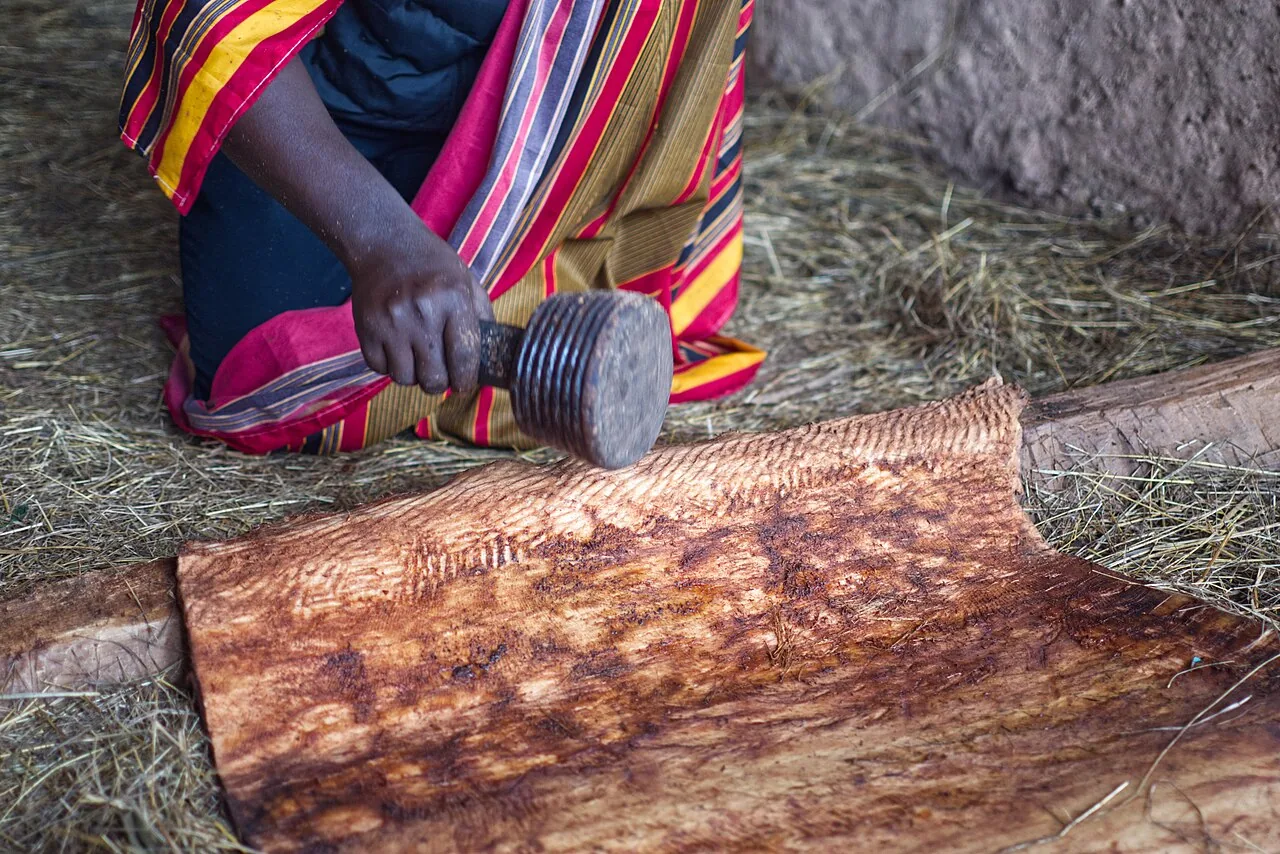
Uganda’s communities have different languages, crafts and traditions. Locally led experiences can add context to a nature-focused journey.

Ask before taking portraits, support considered community experiences and respect guidance in parks and protected forests.
04 / FIND YOUR SEASON
June to September and December to February are common starting windows for outdoor journeys. Rain can occur throughout the year, especially in forest areas.
Featured months: Jan, Feb, Jun, Jul, Aug, Sep, Dec
Greener months have their own appeal, but road, walking and wildlife arrangements should be matched to the season.
05 / PUT IT TOGETHER
5-7 nights
A focused introduction with suitable optional activities and time around the water.
9-12 nights
A permit-led nature itinerary with sensible travel days and several nights in each wildlife region.
06 / A LITTLE PREPARATION
A primate itinerary should be built around confirmed permits and the correct trekking area. Do not book a distant lodge based only on a park name.
Distances and road conditions can make travel days substantial. Compare road and internal flight options around the group’s needs.
Discuss mobility and fitness requirements before selecting treks. Check current official entry and health requirements, and confirm halal or other dietary arrangements at each stay.
FIND YOUR TRAVEL STYLE
Personal
Your time. Your pace. Your kind of escape.
Explore experience ↗
Personal
Follow your curiosity a little further.
Explore experience ↗
Personal
See a place. Understand its story.
Explore experience ↗No matches. Try another name or category.
FROM IDEA TO ITINERARY
Tell us what you have in mind. We’ll help bring the details together.